What is multifocal lens implantation (MIOL)?

The implantation of multifocal lenses for presbyopia is a modern method for correcting this visual impairment. Unlike varifocal glasses, which are often a compromise solution, MIOL implantation offers a permanent solution. The eye’s natural lenses are replaced with special multifocal or trifocal lenses that allow simultaneous correction of distance and near vision. Compared to conventional varifocal lenses, MIOLs offer better visual quality and do not restrict the field of vision as much. The lens replacement can be performed on an outpatient basis and under local anesthesia. MIOL implantation is therefore a promising option for people of all ages who want to do without glasses or contact lenses. Multifocal lenses are also very suitable for correcting presbyopia, thus replacing reading glasses.
Who are multifocal lenses suitable for?

MIOLs are one of the three types of lenses we use today. In addition to trifocal lenses and varifocal lenses, many patients opt for MIOLs. This type of lens is particularly suitable for people with presbyopia who need a visual acuity that is optimal both up close and at a distance. Multifocal lenses offer a gain in quality of life, as you do not have to constantly switch between different glasses or lenses in everyday life. They are therefore also a popular choice for contact lens wearers. However, the question of which lens is best suited depends on various factors, such as individual vision. An ophthalmologist can advise on this and recommend the appropriate lens.

Types of multifocal lenses

MIOLs are a good alternative to varifocals. There are different types of MIOL, which can be selected according to requirements. One variant is the lens that is usually only adjusted for one distance. Trifocal lenses are more suitable for a combination of near and far vision. Another option is MIOLs, which contain a progressive lens in the intermediate range. These lenses work in a similar way to varifocal spectacles and enable continuous vision. Many patients have already had excellent experiences with these solutions. However, it can take some time for the eye to get used to the new lens. The cost of MIOLs is not usually covered by health insurance unless it is a medical necessity. Overall, MIOLs are a good choice if you value the comfort and flexibility of a spectacle lens. Laser eye surgery is an alternative.

A MIOL is a combination of several different lenses in a single lens. The number of different lens types varies from one or two. In most cases, the MIOL is combined with a medium-width zone at the periphery to achieve visual acuity at near and far distances. MIOLs are a type of contact lens-like device that can be implanted in the eyes. This type of lens has several advantages over conventional monofocal lenses. Most types of MIOLs have two or three focal points, making them ideal for people with near or distance vision problems. One of the most common types of MIOL is the bifocal lens. This has two focal points and is therefore particularly suitable for people who need to see both near and far. Bifocal lenses can be used for both children and adults. There are also trifocal lenses. They have three focal points and are therefore particularly good for people with vision problems at near or far distances. Trifocal lenses are often ideal for older people who suffer from cognitive disorders or are beginning to lose their vision.

Implantation of MIOL (MIOL) – this is what it looks like in our clinic

The implantation of MIOLs is carried out extremely successfully in our clinic. Multifocal lenses are generally implanted in patients who wish to counteract cataracts or who suffer from a wide variety of visual disorders. The importance of our eyesight is often underestimated. This means that patients who have developed presbyopia or have other visual problems can dispense with glasses and contact lenses. Although multifocal contact lenses are a good alternative to glasses, MIOL implantation can add even more value to the patient’s quality of life. This method can be used to treat both defective vision and presbyopia. Our experienced doctors perform MIOL implantation gently and safely in order to achieve the best possible results. This means that life without glasses or contact lenses is possible at our clinic.

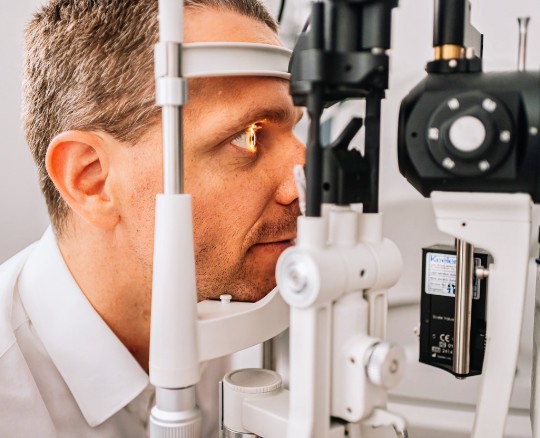
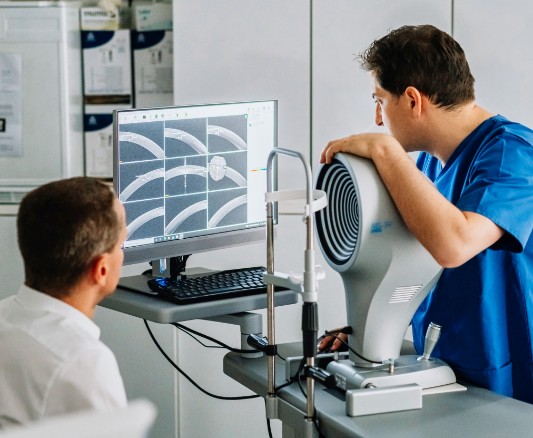
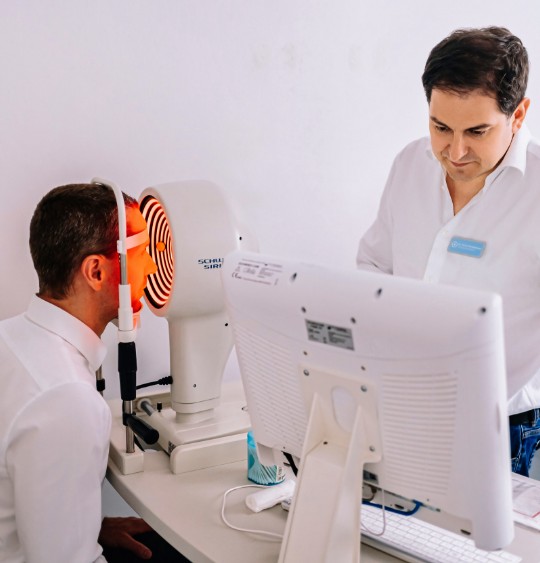
If you decide to have a monofocal or multifocal lens implanted, you naturally want to know what you can expect. At our clinic, we generally perform MIOL implantation on an outpatient basis. Before the implantation, a detailed eye examination is carried out to determine your exact visual acuity and to check whether your eye is ready for such a procedure.

We will explain the process to you in brief:

Multifocal lenses for presbyopia – the procedure in brief

Immediately before the procedure, you will receive a local anesthetic in the eye, and the MIOL implantation takes place in a relatively short operation. The lens is implanted in the anterior part of the eyeball and positioned there in such a way that it replaces the function of the natural lens. Once the procedure is complete, you will be fitted with protective contact lenses to protect your eye from injury. During the first few weeks after MIOL implantation, you may experience mild discomfort, such as irritation or dryness. But don’t worry – these symptoms usually disappear on their own after a few days or weeks. In any case, it is advisable to discuss the course of healing with us at least once a month and, if necessary, carry out further examinations to ensure that everything runs smoothly and your vision improves.

Of course, it can happen that some people suffer from side effects and/or have certain visual difficulties. Our experts are always available to provide advice and support and help you with any problems related to your MIOL implantation. Even after the MIOL implantation is complete, regular check-ups should be carried out – especially for people over 50 – in order to detect early signs of presbyopia or other diseases. But now we want to dedicate ourselves to the treatment in more detail.

The implantation of MIOLs is carried out extremely successfully in our clinic. Multifocal lenses are generally implanted in patients who wish to counteract cataracts or who suffer from a wide variety of visual disorders. The importance of our eyesight is often underestimated. This means that patients who have developed presbyopia or have other visual problems can dispense with glasses and contact lenses. Although multifocal contact lenses are a good alternative to glasses, MIOL implantation can add even more value to the patient’s quality of life. This method can be used to treat both defective vision and presbyopia. Our experienced doctors perform MIOL implantation gently and safely in order to achieve the best possible results. This means that life without glasses or contact lenses is possible at our clinic.

If you decide to have a monofocal or multifocal lens implanted, you naturally want to know what you can expect. At our clinic, we generally perform MIOL implantation on an outpatient basis. Before the implantation, a detailed eye examination is carried out to determine your exact visual acuity and to check whether your eye is ready for such a procedure.

Advantages of multifocal lenses

MIOLs offer numerous advantages over conventional lenses. Firstly, they enable better vision at different distances. Unlike single vision lenses, MIOLs can correct for both near and far vision, which means that you no longer need another visual aid. Secondly, MIOLs can also be used in the treatment of cataracts. This is a common eye condition that occurs when the lens becomes cloudy. By implanting a multifocal lens, ophthalmologists can improve patients’ quality of vision and significantly improve their overall quality of life. Overall, MIOLs are an excellent choice for people who want to see well without having to rely on visual aids.

MIOLs are a good option for patients who are frustrated with seeing beyond a normal focality. By uniting multiple focalities in one lens, MIOLs can provide vision at different distances. This means you no longer have to sacrifice near or distance vision, and you no longer have to take on and off your progressive or reading glasses. In addition, many types of multifocal lenses offer further advantages. Some are able to adjust the contrast or brightness or help to counteract unsteady angles of vision. Your eye can easily adjust to near and distance vision again.

The cost of multifocal lens surgery

Augenuntersuchung

MIOLs are a popular option for many people with cataracts as they can reduce the need for glasses after surgery. However, the cost of such lenses can be high, depending on the patient’s individual needs. Statutory health insurance companies usually only cover the cost of standard lenses, while specialty to multifocal lenses are covered by private supplementary insurance under certain conditions. However, there are also tax advantages for those who have to bear the costs themselves. In any case, patients should obtain detailed information on cost coverage before undergoing treatment.

The cost of MIOL implantation depends on many factors, including your personal situation, the type of lenses and the center where you have them implanted. In general, however, you can expect the cost to be from €1,700 per eye. The cost of implantation depends on many factors. The cost depends in part on the before and after examinations that need to be carried out before the operation. As a rule, these examinations are offered free of charge. The cost of the implantation itself depends on whether it is a pure augmentation lens or whether additional corrections need to be made to the eye. However, most augmentation lenses are pure lens types and therefore do not cost as much. The cost of MIOL implantation varies depending on where the surgery is performed.

FAQ: Frequently asked questions about multifocal lens surgery

Have you heard about MIOL implantation and would like to find out more about this treatment method? Here are some frequently asked questions about this technique that will hopefully clear up any doubts you may have.