Augenlasern ZĂĽrich

Excellence in refractive surgery: Why Zurich?

When it comes to your eyes, “good” is not good enough. As a specialised centre for eye laser surgery in Zurich (District 1), we do not focus on volume, but on medical precision. We use only technology from the global market leaders (SCHWIND eye-tech-solutions) and deliberately avoid discount offers at the expense of safety.

The EyeLaser concept for Zurich:

  • Technology leadership: We are one of the few centres in Switzerland offering SmartSight – the advanced, tissue-sparing lenticule extraction (successor to ReLEx SMILE).
  • Safety architecture: Every laser pulse is monitored by 7-dimensional eye tracking. Involuntary eye movements are compensated for within milliseconds.
  • Honest indication: We only perform laser treatment if corneal topography and biomechanics allow it 100%. Otherwise, we offer ICL lenses as a safe alternative.

What Vision Defects Can be Corrected?

Presbipia

Laser vision correction is highly effective for the most common types of refractive error. At our clinic in Zurich, we successfully treat:

  • Nearsightedness (myopia): up to -10.00 dpt
  • Farsightedness (hyperopia): up to +4.00 dpt
  • Astigmatism (astigmatism): up to 6.00 dpt

The suitability and the choice of the optimal procedure are always determined individually after a comprehensive diagnostic examination.

What is laser eye correction? A simple explanation

Augenlasern ZĂĽrich

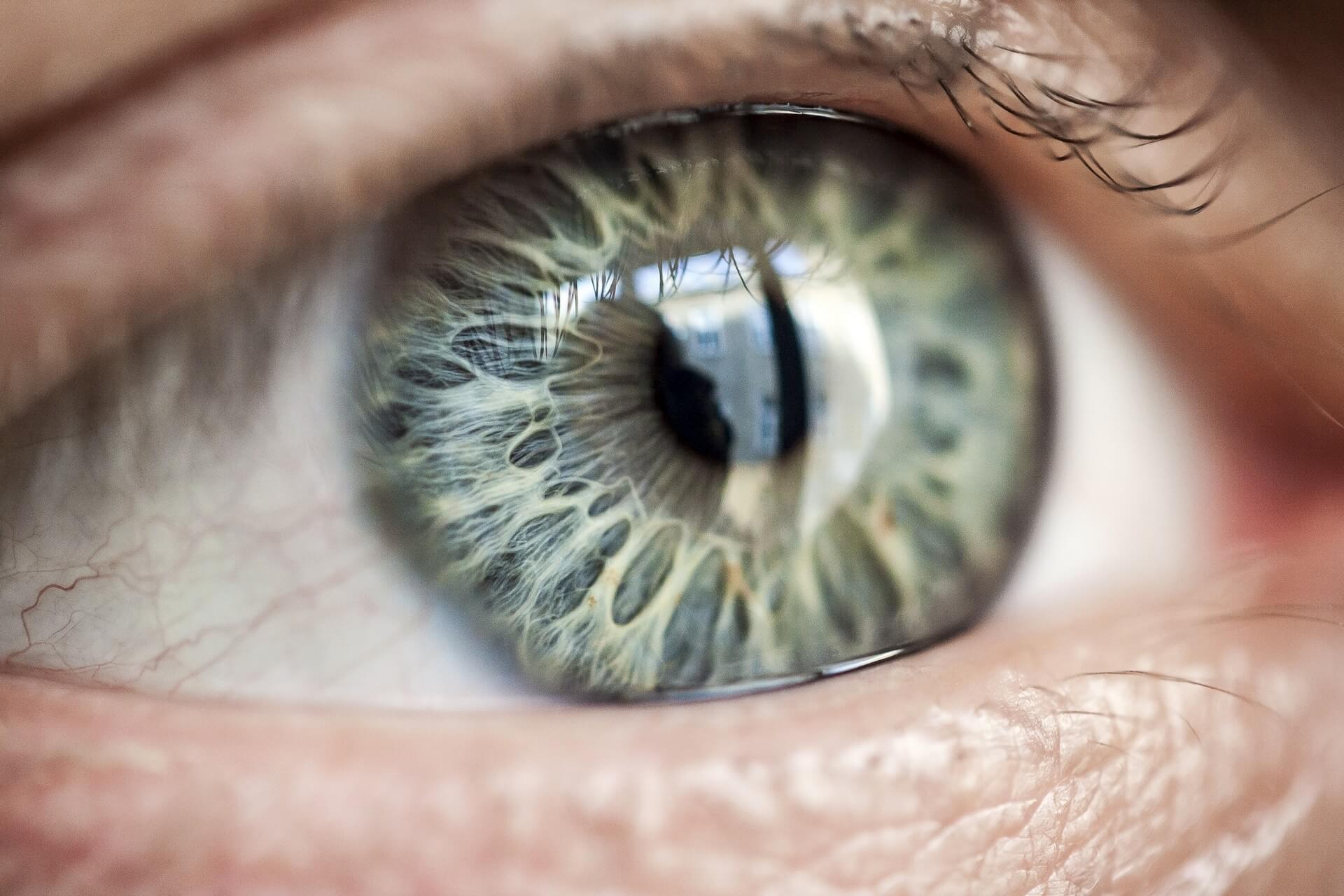
Imagine your eye as a high-quality camera. The cornea is the outermost, clear lens that focuses incoming light so that a sharp image is formed on the retina (the camera’s “film”). In cases of refractive errors like nearsightedness or farsightedness, this focusing is faulty.

The goal of laser eye correction is to precisely and gently reshape the cornea so that light is once again perfectly focused on the retina. The result: a crystal-clear image without corrective devices.

The Technology behind it: Femtosecond and Excimer Lasers

Modern Refractive Surgery Relies on Two Highly Specialized Laser Systems

SCHWIND ATOS & SCHWIND AMARIS
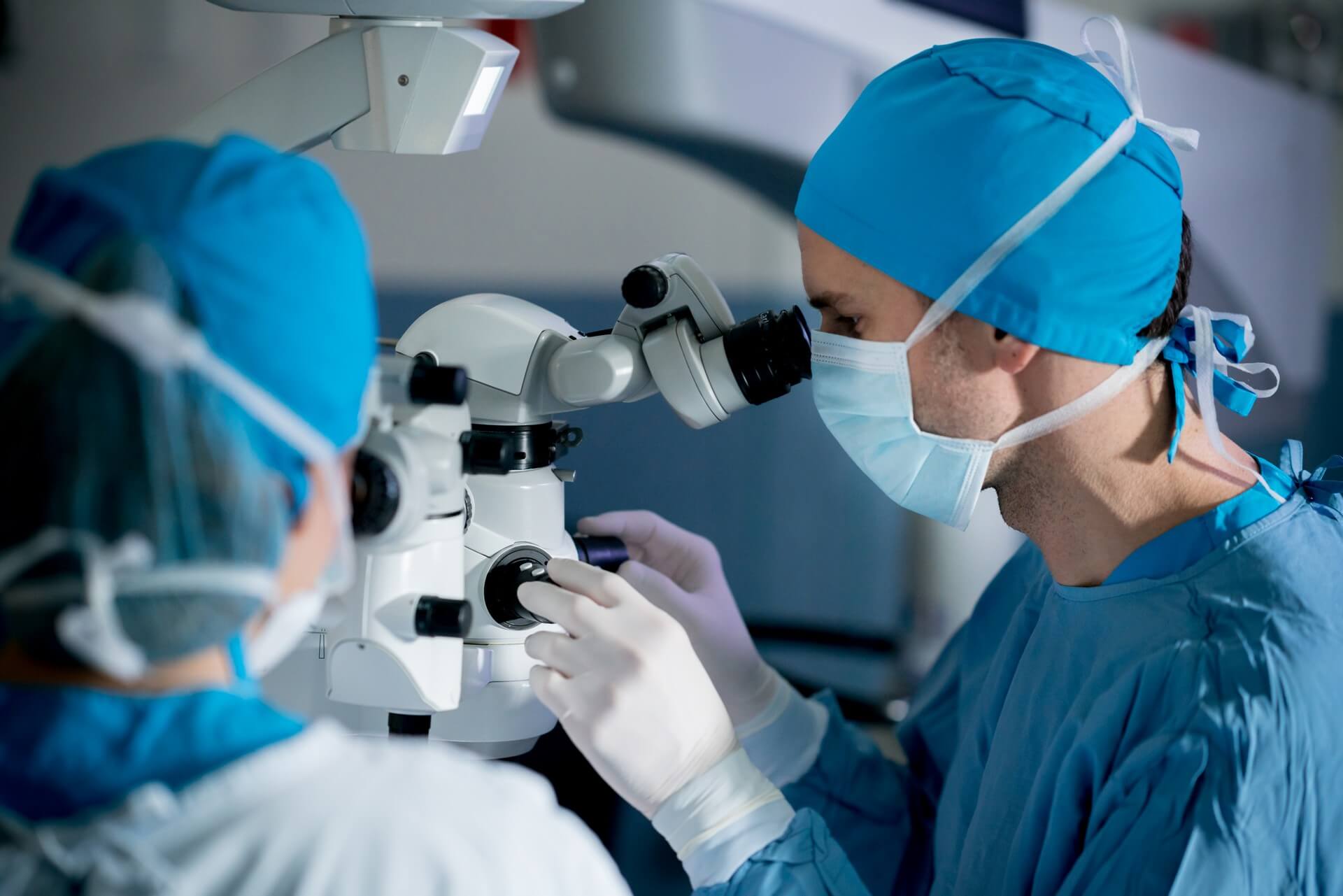
  • The Femtosecond Laser: This precision instrument works with ultra-short light pulses in the femtosecond range. Its task is to prepare the cornea for the actual correction. Depending on the method, it creates an ultra-thin corneal flap in the Femto-LASIK procedure or a precise lens-shaped piece of tissue (lenticule) inside the cornea in the SmartSight method. Its use makes mechanical instruments unnecessary and ensures maximum safety and predictability.
  • The excimer laser: It is responsible for the actual vision correction. Using a process called photoablation, it removes microscopically thin layers of corneal tissue without heating or damaging the surrounding tissue. At EyeLaser, we use the SCHWIND AMARIS 7D laser, which compensates for even the smallest eye movements in real time thanks to its 7-dimensional eye tracking, guaranteeing unrivalled precision.

The path to clear vision: your treatment process at EyeLaser Zurich

From the initial consultation to the full restoration of your vision, your journey with us is clearly structured to provide you with maximum safety and comfort.

The Crucial Preparation

To obtain precise measurements, it is essential that your cornea has its natural shape. We therefore ask you to take a break from contact lenses before the preliminary examination:

  • Soft lenses: at least 7 days
  • Hard (rigid gas-permeable) lenses: at least 4 weeks
The Comprehensive Suitability Test (Approx. 2 Hours)

This is the most important step for your safety. Using state-of-the-art diagnostics, we create a detailed “map” of your eyes. This includes, among other things, corneal topography and tomography, measurement of corneal thickness (pachymetry) and analysis of higher-order aberrations (aberrometry). Based on these data, our experts decide whether treatment is safe and promising for you, and which method is best.

The Treatment Day (Approx. 15–20 Minutes for both Eyes)

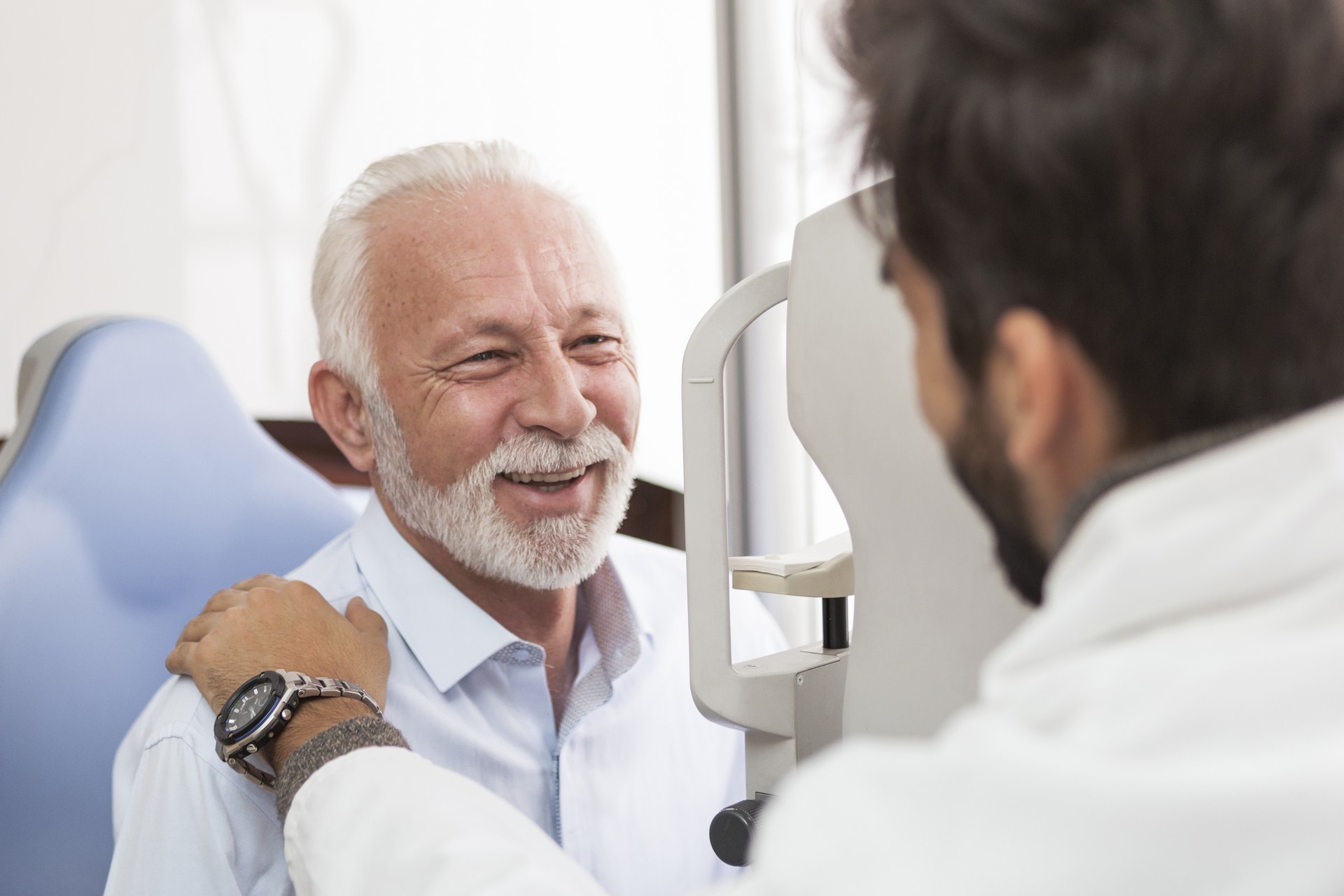
The procedure itself is short and stress-free. Your eyes are numbed with drops, so you will not feel any pain. A small lid holder prevents blinking. While the laser is working—often only a few seconds per eye—you fixate on a light. Our 7D eye-tracking system ensures perfect centration and safety.

The Time after: Quick Recovery

Recovery is exceptionally fast with modern procedures. In the first few hours, you may experience a slight burning sensation or increased sensitivity to light. Most patients can return to everyday activities such as office work the very next day. In the first few weeks, you should not rub your eyes, avoid swimming pools and saunas, and use the prescribed eye drops consistently.

A Life without Glasses – Success Stories from Zurich

Ein Leben ohne Brille – Erfolgsgeschichten aus Zürich

Case study 1: The sporty marketing manager

  • Patient: “Laura S. (32), Marketing Manager from Zurich”
  • Problem: Severe nearsightedness (-6 dpt) and dry eyes from contact lenses in an air-conditioned office. Jogging and swimming with visual aids was always cumbersome.
  • Solution: After a thorough analysis of the cornea, the minimally invasive SmartSight method was chosen because it is particularly gentle on the tear film.
  • Quote: “The freedom to wake up in the morning and see the clock on the wall clearly is indescribable. I finally feel unrestricted when playing sports. The care provided by Dr. Derhartunian was extremely professional and personal from the start.”
Ein Leben ohne Brille – Erfolgsgeschichten aus Zürich

Case study 2: The experienced project manager

  • Patient: “Michael B. (48), Project Manager from Winterthur”
  • Problem: The onset of presbyopia (age-related farsightedness) made the constant switching between distance and reading glasses at work a torment.
  • Solution: A premium lens replacement with EDOF multifocal lenses, which corrected the farsightedness and restored sharp vision up close and on the computer.
  • Quote: “I was skeptical whether you could really see well again at all distances. The result exceeded my expectations. It is an enormous increase in the quality of life, not only at work, but also when reading the menu in the restaurant.”

Prices & Methods Overview

Method Price per eye (CHF) Advantages Ideal for …
Trans-PRK 1,500 – 2,000 Touch-free, superficial, gentle Thin cornea, sensitive eyes
Femto-LASIK 1,800 – 2,200 Proven standard, very fast recovery Many diopter ranges
SmartSight (KLEx) 2,500 Minimally invasive, no flap, dry-eye-friendly Sports, active professions, dry eyes
ICL (phakic lens) from 3,500 Reversible, excellent optics, high diopters Very high myopia/astigmatism, thin cornea
Premium lens replacement (RLE) from 4,000 Permanent solution incl. Presbyopia From approx. 45 y., presbyopia, early clouding of the lens

Methods in Detail

ICL

SmartSight (KLEx)

  • Minimally invasive, without flap incision
  • Lower risk of dry eyes
  • Quick return to sport & everyday life
  • Mehr erfahren

Femto-LASIK

  • Globally proven and safe technology
  • Very fast improvement in vision
  • Ideal for many types of visual impairment
  • Mehr erfahren
Trans-PRK

Trans-PRK

  • Surface procedure, completely touch-free
  • Particularly gentle on thin corneas
  • Healing takes a few days longer
  • Mehr erfahren

ICL (Phakic Lens)

  • Ultra-thin, biocompatible additional lens
  • Correction of very high diopter values possible
  • Reversible & excellent image quality
  • Mehr erfahren

Premium lens replacement (RLE)

  • Replacement of the body’s own lens with an EDOF/multifocal lens
  • Permanent solution that also corrects presbyopia
  • Particularly useful from the age of 45 years
  • Mehr erfahren

Presbyopia Treatment in Zurich

Presbipia
  • PresbyMAX (Laser concept) – Extends the depth of field and thus improves the near and intermediate range while maintaining distance vision.
  • Lens replacement (EDOF/Multifocal) – Premium lenses for the greatest possible independence from glasses at all distances.
  • Allotex Transform – An innovative, additive (tissue-sparing) inlay concept; only with specific suitability and availability.

Experience Visual Freedom through your Lenses or Laser Eye Surgery

In this video, Dr. Victor Derhartunian explains which laser eye treatments are available at EyeLaser Zurich:

Am I suitable? The EyeLaser Traffic Light

This simple overview will help you with an initial assessment.

🟢 Green light (ideal candidates):

  • You are between 18 and 60 years old.
  • Your prescription has been stable for at least 12 months.
  • Your cornea is sufficiently thick and healthy.
  • You do not suffer from eye diseases such as keratoconus, advanced cataracts or glaucoma.
  • You have realistic expectations of the outcome.

🟡 Yellow light (assessment required):

  • You are prone to dry eyes.
  • Your cornea is rather thin.
  • Certain autoimmune diseases are present.
  • Your pupils dilate very widely in the dark.
  • In these cases, particularly careful diagnostics and the choice of a specific procedure (e.g. SmartSight or ICL) are crucial.

🔴 Red light (not suitable – but there are alternatives):

  • Unstable prescription.
  • Diagnosed keratoconus or another corneal disease.
  • Advanced cataract or glaucoma.
  • Pregnancy or breastfeeding.

Alternative: For many patients who are not suitable for laser treatment, implantation of an ICL lens is an excellent and safe alternative that also enables a life without glasses.

An Overview of the most Modern Procedures

Method Technology Characteristics Healing Time Ideal for
SmartSight Lenticule extraction Keyhole technique, flapless, minimally invasive 1–2 days Active people, dry eyes, high myopia
Femto-LASIK 7D Femto- & Excimer laser Gold standard with corneal flap, very fast visual recovery 1–2 days Most refractive errors
Trans-PRK 7D No-Touch Excimer laser Non-contact surface treatment, maximum corneal stability 3–5 days Thin cornea, contact athletes
PresbyMAX Femto-LASIK base Treatment of presbyopia, for sharp vision at all distances 2–3 days Patients from approx. 45 years
ICL (EVO/EVO+) Implantable lens Reversible correction inside the eye, no corneal tissue removal 1 day Very high refractive error, thin cornea, dry eyes
Lens replacement Trifocal lenses/EDOF lenses Replacement of the natural lens, corrects refractive error & presbyopia 2–4 days Patients over 50, early cataract

SmartSight vs Femto-LASIK: Which is better for me?

Many patients in Zurich ask us: “Should I choose the proven LASIK or the new SmartSight?” Here is the medical comparison.

Femto-LASIK (the classic)

How it works: A small flap is created, lifted, the cornea underneath is treated with the laser, and the flap is repositioned.

  • âś… Advantage: Immediate “wow effect” (sharp vision after just a few hours).
  • âś… Advantage: Can also correct farsightedness (hyperopia) very well.
  • ⚠️ Disadvantage: The flap remains a theoretical weak point in extreme contact sports.

SmartSight (the evolution)

How it works: The laser cuts a lenticule (a small disc of tissue) inside the cornea. It is removed through a tiny access point. No flap.

  • âś… Advantage: Minimally invasive (“keyhole surgery”). Maximum corneal stability.
  • âś… Advantage: Less dry eye after surgery, as fewer nerves are severed.
  • ℹ️ Focus: Ideal for nearsightedness and astigmatism (not yet for farsightedness).

Conclusion: If you play contact sports or suffer from dry eyes, SmartSight is usually the better choice. For farsighted patients, Femto-LASIK remains the gold standard.

Your Ophthalmologist – Expertise and Trust in the Heart of Zurich

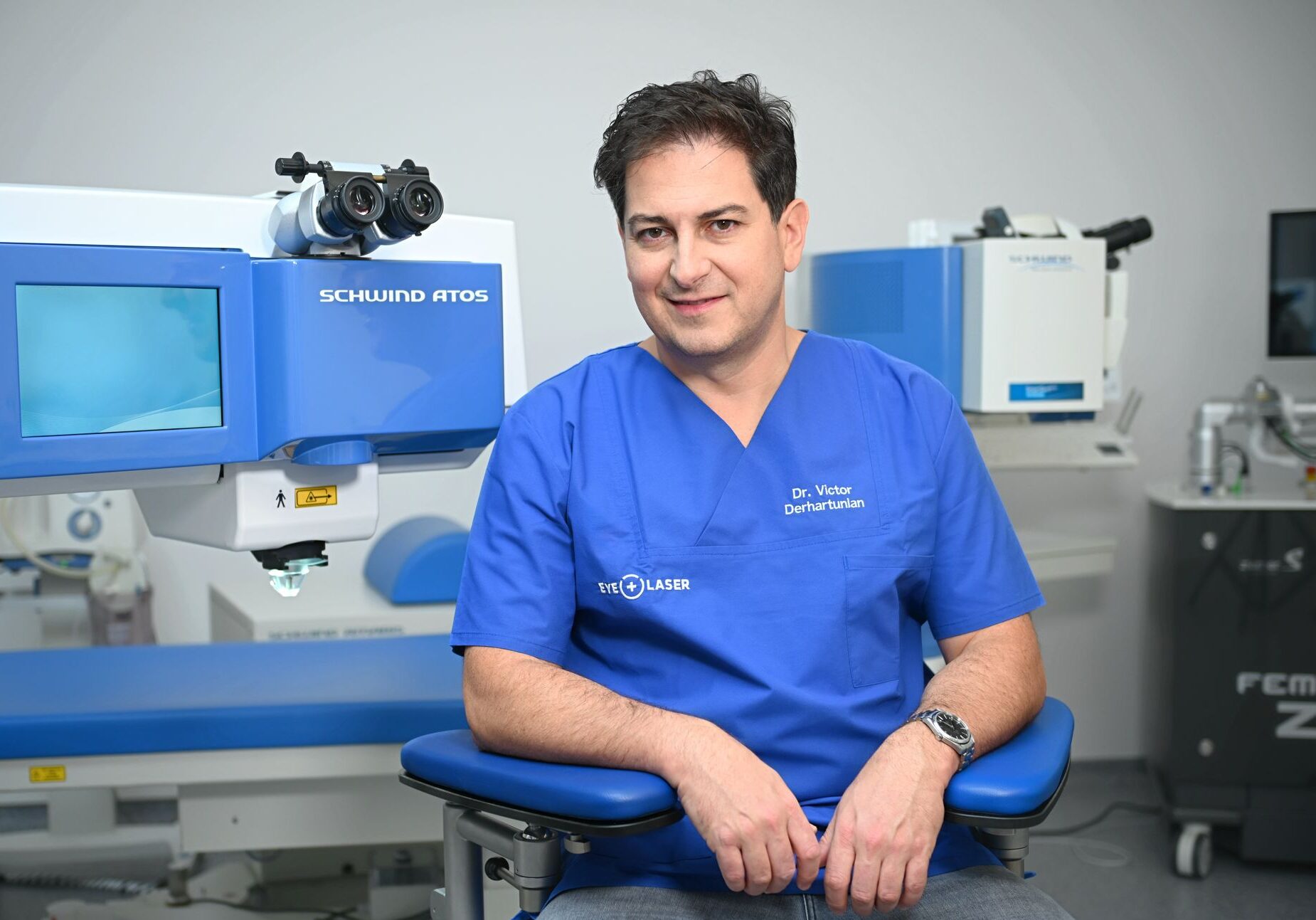
Dr med Victor Derhartunian (FEBO, FWCRS), lead surgeon at EyeLaser Zurich, says:
“In my practice in Zurich, I meet people who have very high standards for their lives and their health. My most important task is to explain complex medical matters in an understandable way and to answer every question honestly. We take the time to build trust and to find the best and safest solution together. The most wonderful moment is always the sparkle in patients’ eyes at the first follow-up, when they realise that their dream of a life without glasses has become reality.”

Dr. Victor Derhartunian
  • Your specialist: Dr. Victor Derhartunian, Specialist in Ophthalmology, FEBO.
  • Solid Training: He completed his refractive training already during his specialist medical training with Prof. Dr. Thomas Kohnen (University of Frankfurt), one of the world’s leading experts.
  • Pioneering Experience: From 2010–2013, he deepened his knowledge with Prof. Dr. Theo Seiler at IROC Zurich, the pioneer who co-developed modern eye laser surgery.
  • Vast Experience: With over 20,000 successful procedures, he is an internationally sought-after speaker on the topics of eye laser surgery and presbyopia.
  • Personal Care: At EyeLaser, you receive continuous personal care from Dr. Derhartunian or his core team personally, not from rotating doctors – from the preliminary examination to the final aftercare.
  • Recognition: Memberships in the most important professional societies (ESCRS, AECOS, DOG, FWCRS) and status as SCHWIND Key Opinion Leader & Reference Center (ATOS/AMARIS) underline his expertise.

Important Recommendations and Contraindications for Patients

Your safety is our top priority. Please therefore follow these recommendations:

Linsentausch
  • Before the Procedure: Strictly observe the agreed contact lens break. Please come on the day of treatment without make-up, perfume or facial creams. Arrange an accompanying person or a taxi for your journey home.
  • After the procedure: Use the prescribed eye drops exactly as directed. Do not rub or press on your eyes. Protect your eyes from strong light and UV radiation with sunglasses during the first few weeks. Attend all follow-up appointments.
  • Absolute contraindications: In addition to the points listed under “Red light”, acute eye infections or inflammation are a clear exclusion criterion. Treatment will only be considered after complete healing.

Your path to perfect vision starts here

Are you ready to take the decisive step towards a life of clarity and freedom? Find out whether you are suitable for laser eye treatment.

Check your suitability in Zurich – quick and without obligation.

Book an appointment for a comprehensive preliminary examination. Our expert team at EyeLaser Zurich looks forward to advising you personally and answering all your questions.

Schedule your preliminary examination now

Frequently asked questions (FAQ) – your path to clear vision in Zurich

What Modern and Safe Methods are Available for Vision Correction?

EyeLaser in Zurich offers only the most modern and gentle procedures, including the minimally invasive SmartSight method, the gold-standard Femto-LASIK 7D, as well as lens implants for special requirements.

Am I a Candidate for Laser Eye Correction?

Ideal candidates are between 18 and 60 years old, have had stable vision for at least one year, and have healthy eyes without conditions such as cataracts or glaucoma.

Is the Treatment Painful and how Long Does Recovery Take?

Thanks to anesthetic eye drops, the procedure itself is completely painless, and the most modern procedures allow for very rapid recovery, often within 24 to 48 hours.

Are the Results of Eye Laser Treatment Permanent?

Yes, the corneal correction achieved by the laser is permanent; however, the natural aging process of the eye, such as presbyopia (age-related farsightedness), continues to progress.

What are the Risks and how are They Minimized?

At EyeLaser, risks are reduced to an absolute minimum through an extremely thorough preliminary examination and the use of state-of-the-art 7D tracking technology, with temporary dry eyes being the most common side effect.

How much does laser eye treatment cost in Zurich?

The cost depends on the method chosen and the complexity of your refractive error. At EyeLaser, we focus on transparent pricing with no hidden costs. You will learn the exact amount during the non-binding preliminary examination, after we have determined the best method for you.

When Can I Return to Work and Drive after the Procedure?

With SmartSight and Femto-LASIK, most patients can return to work (office work) and drive the next day. With Trans-PRK, it usually takes 3–5 days to achieve sufficient visual acuity.

Will I Still Need Reading Glasses when I get Older?

Yes, laser treatment corrects your existing refractive error, but it does not stop the natural ageing of the eye. So-called presbyopia occurs in almost everyone from around the age of 40–45 and then requires reading glasses. However, for patients in this age group, we also offer lasting solutions for this with PresbyMAX or lens replacement.

Is the result of laser vision correction really permanent?

Yes, the change in the shape of the cornea is permanent. In rare cases, minimal changes in prescription can occur over many years, but these usually do not need to be corrected. If required, an enhancement is possible in most cases.

What makes EyeLaser in Zurich special?

EyeLaser stands for the combination of state-of-the-art, validated technology (SCHWIND 7D systems, ATOS femtosecond laser), the high expertise of an internationally renowned surgeon, and uncompromising Swiss quality and safety standards. We do not just correct refractive errors—we give you quality of life.

Is laser eye treatment painful? I have concerns about the procedure.

We can reassure you about this. Thanks to highly effective anaesthetic eye drops that we administer shortly before the procedure, the treatment itself is completely pain-free. You may feel slight pressure, but no pain. Modern lasers also work so quickly—often only a few seconds per eye—that the procedure is over before you have time to worry. After modern procedures such as SmartSight or Femto-LASIK, a mild foreign-body sensation may occur for a few hours, but it subsides quickly.

How permanent is the result of laser treatment? Do I need to worry that my nearsightedness will "come back"?

The correction achieved by the laser on the cornea is permanent. The refractive error for which you were treated generally does not return, provided your prescription was stable before the procedure. What does change over the course of life, however, is the natural ageing of the eye. From about the age of 45, almost everyone develops presbyopia, which may require reading glasses. This is a separate, natural process that laser treatment does not stop. For this need, however, we offer specialised solutions such as PresbyMAX.

What risks are there really, and how are they minimised at EyeLaser?

No surgical procedure is completely risk-free; however, laser eye surgery is among the safest medical procedures worldwide. At EyeLaser, we minimise this residual risk through three key pillars: 1) an extremely thorough preliminary examination to identify potential risk factors; 2) the use of the latest technology with 7D eye tracking, which compensates for any involuntary eye movement in real time; 3) the extensive experience of our lead surgeon. The most common side effect is temporary dry eyes, which we treat effectively with eye drops.

When can I do sports again—for example skiing or swimming in Lake Zurich?

Returning to sport is surprisingly fast and a major advantage for an active lifestyle in Switzerland. With minimally invasive procedures such as SmartSight or Femto-LASIK, you can resume light activities such as jogging or going to the gym after just a few days. For intensive sports, contact sports, as well as swimming in the lake or chlorinated water and sauna visits, you should wait about 2–4 weeks to allow the cornea to heal optimally and safely.

Are both eyes treated on the same day?

Yes, in over 99% of cases, both eyes are treated one after the other in the same session. This has the advantage that you only go through the entire process—preparation, procedure and healing—once. Modern procedures are so safe and recovery is so fast that bilateral treatment is the global standard.

Why is laser treatment not performed during pregnancy and breastfeeding?

During pregnancy and breastfeeding, the female body undergoes significant hormonal fluctuations. These can temporarily affect the stability of your prescription and alter wound healing. To ensure an absolutely precise and long-term stable result, we only perform the procedure once hormone levels have normalised again. We recommend waiting about 3–6 months after weaning before scheduling a preliminary examination.

Can laser treatment cure a "lazy eye" (amblyopia)?

No. It is important to understand the difference here: amblyopia is a neural developmental disorder in which the brain has learned to ignore the visual input from one eye. Laser treatment perfectly corrects the refractive error of the eye itself (the “hardware”), but it cannot restore the learned neural connection between the eye and the brain (the “software”). This means that after the procedure, the visual performance of the amblyopic eye cannot be better than it was before with the best possible glasses or contact lens correction.