What You Will Learn in this Text

Phototherapeutic Keratectomy (PTK) is a specialized medical laser procedure for healing the corneal surface. Unlike purely optical corrections, the focus here is on restoring a pain-free, healthy eye. EyeLaser Zurich uses precise Trans- PTK (no-touch technique) with the SCHWIND Amaris laser to remove diseased tissue, scars, or dystrophies with micrometer precision.

Why Ointments are Often not Enough

Mechanical defects of the cornea often require laser smoothing so that the tissue can adhere permanently again.

End of Morning Pain

PTK breaks the vicious cycle of nocturnal corneal tearing and sharp pain upon waking.

Costs & Health Insurance

Since this procedure is a mandatory service when medically indicated, we often bill via TARMED (minus deductible/co-payment).

Special Case: Scars & Dystrophies

We explain how the laser precisely reduces even old scars or genetic changes (e.g. map-dot-fingerprint).

Who Will Treat Me?

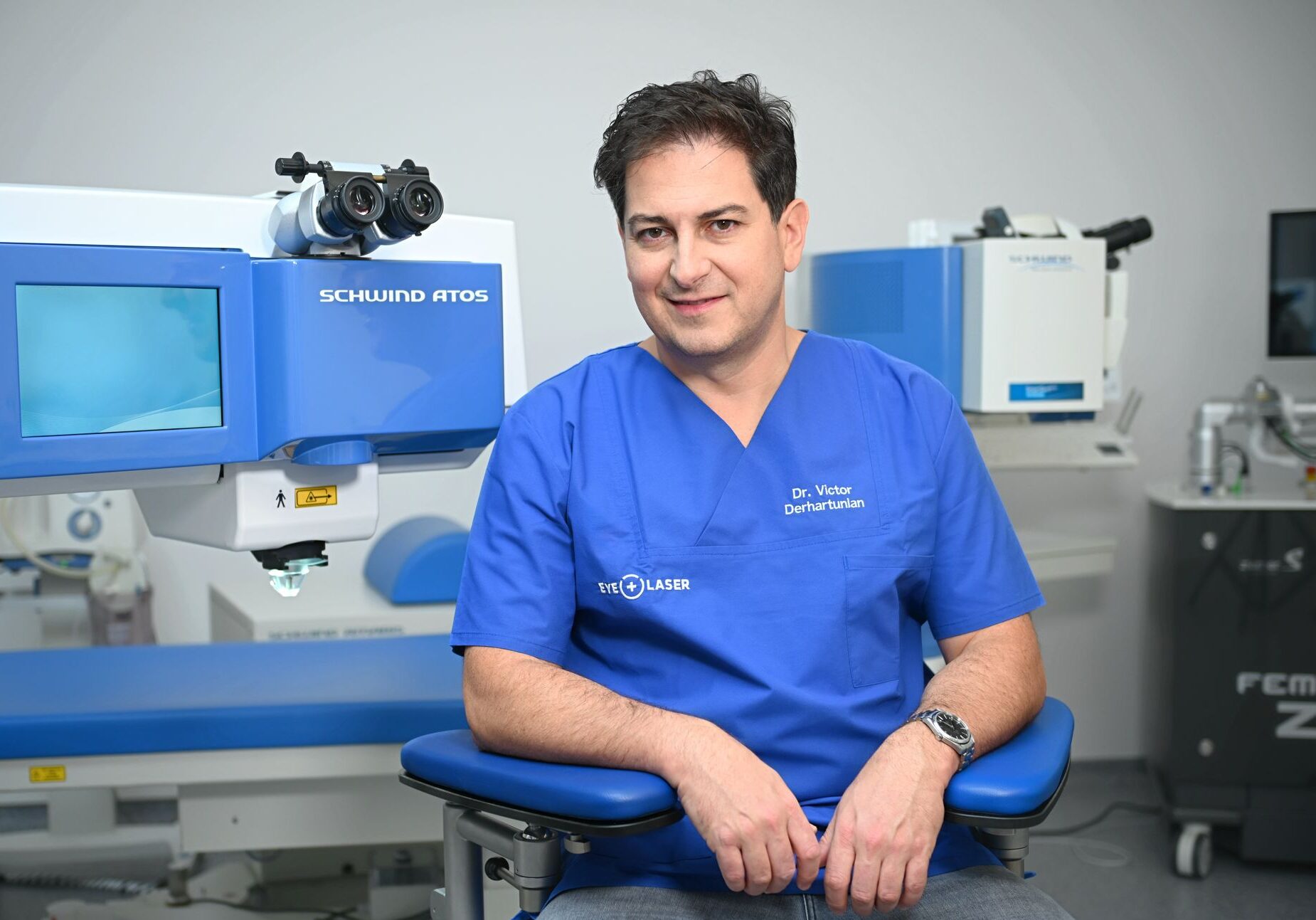
Dr. med. Victor Derhartunian is an FMH specialist and holds the highest international qualification level as FWCRS.

What is the Difference between PTK and a Normal Eye Laser Surgery?

Augenlasern Zürich

While procedures like LASIK primarily aim to eliminate the need for glasses, PTK (Phototherapeutic Keratectomy) is a therapeutic procedure.

We use the most modern form, Trans-PTK (No-Touch):

  1. No-touch: The laser removes the unstable epithelium and the diseased tissue in one step.
  2. Smoothing: The laser polishes the corneal surface. Irregularities, scar tissue, or dystrophies are removed with micrometer precision.

The Result: This creates a fresh, extremely smooth wound surface. When the skin regrows here, it finds extremely firm adhesion again through special “anchoring fibrils.”

First Aid for Acute Morning Pain

PTK Lasertherapie

If your eye stings upon waking:

  • Stay calm: Keep your eye closed!
  • Do not rub: Do not try to force the lid open.
  • Lubricate: Apply plenty of lubricating eye drops or gel to the inner corner of the eye.
  • Wait: Wait until the liquid has spread before gently opening the lid.
  • Appointment: Schedule an appointment with us in Zurich for clarification as soon as possible.

Areas of Application: when Does the Laser Help?

PTK Laser Therapy Zurich

In Zurich, we frequently treat patients with the following diagnoses:

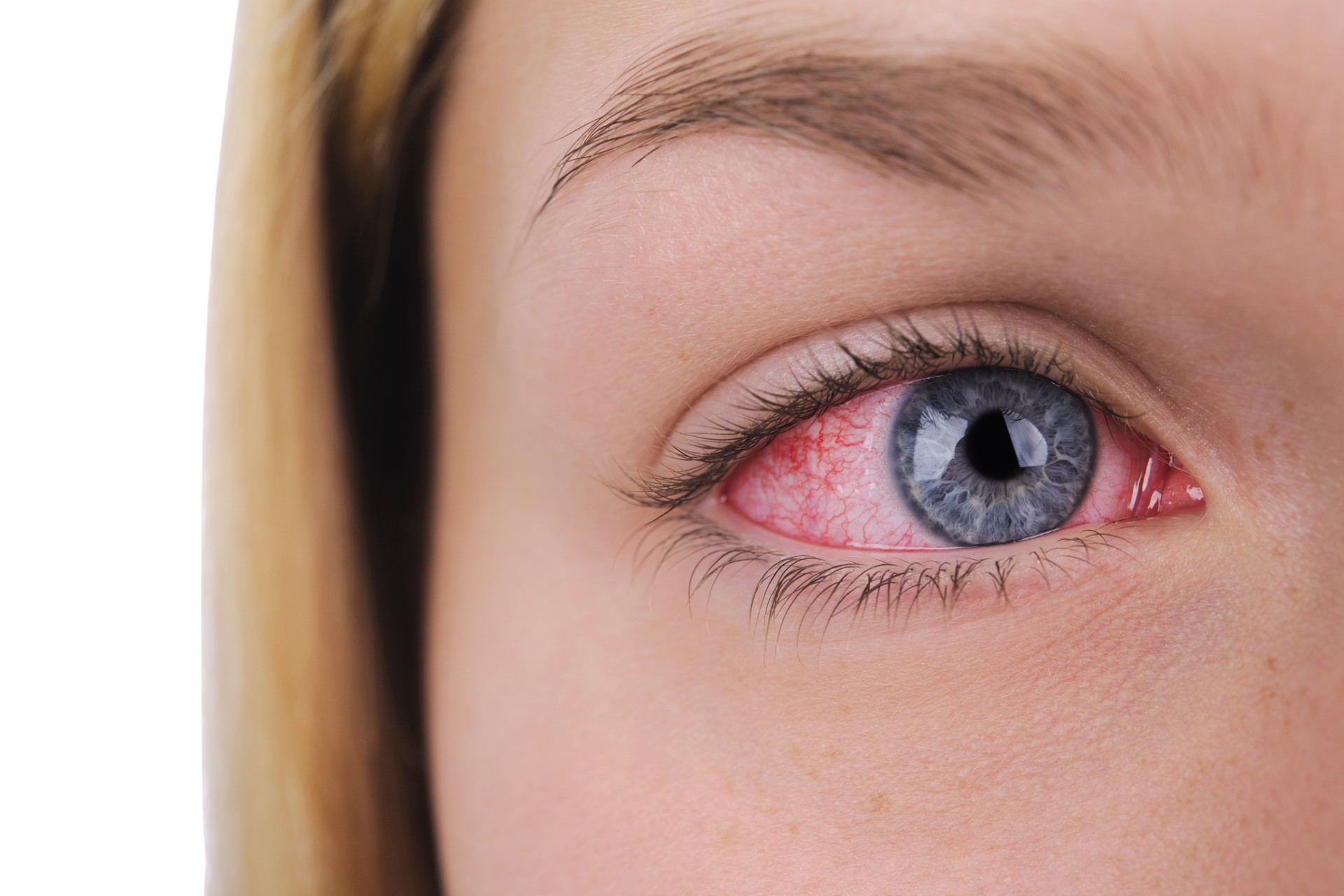
  • Recurrent corneal erosion (RCE): Recurring defects after minor injuries (e.g., by branch, fingernail, paper).
  • Map-Dot-Fingerprint Dystrophy: A genetic predisposition where the corneal layers detach.
  • Salzmann’s Nodular Degeneration: Raised bluish-white nodules on the cornea that feel like foreign bodies.
  • Corneal Scars: After infections or injuries, located in the field of vision and causing “hazy vision.”

Breaking the Pain Cycle

Dr. Victor Derhartunian

“As a doctor, I don’t just see the cornea; I see the person behind it. Patients with corneal damage are often worn down. The constant worry, ‘Will it happen again tonight?’ creates stress. My goal as a surgeon (FMH & FWCRS) is not only to offer you medical high-tech but to restore your sense of security. We don’t just repair tissue; we restore your undisturbed sleep – with Swiss precision and discretion.”

Dr. med. Victor Derhartunian, FMH, FEBO, FWCRS

Is PTK Right for You?

ICL

🟢 GREEN LIGHT (Ideally suited)

  • You experience morning pain when opening your eyes (erosion symptoms).
  • Conservative therapies (ointments, bandage contact lenses) have been unsuccessful for over 3 months.
  • You have superficial scars that cause glare (halos/glare).
  • Diagnosed Map-Dot-Fingerprint Dystrophy.

🟡 YELLOW LIGHT (Further assessment needed)

  • Combination desired: Do you want to get rid of your glasses at the same time? (Refractive PTK is often possible – separate cost regulations apply here).
  • Deep Scars: Measurement of residual corneal thickness by OCT is necessar[7]y.

🔴 RED LIGHT (Not suitable / Alternatives)

  • Acute, florid infections (e.g., active herpes) – eye must heal first.
  • Advanced keratoconus (Alternative: Crosslinking).

Methods in Comparison

FeaturePTK / Trans-PTK (Therapeutic)Trans-PRK (Refractive)Conservative (Ointments)
Main goal Tissue healing, smoothing, freedom from pain Diopter correction (freedom from glasses) Symptom relief
Technique Superficial removal & polishing Removal according to diopter profile None
Wound healing 3–5 days (bandage lens) 3–5 days (bandage lens) Continuously necessary
Suitability scars Excellent (superficial) Good (if combined) No effect
Costs (CH) Basic Insurance (TARMED)* Self-payer (not covered by insurance) Prescription fee
Deductible Yes (deductible + 10%) 100% of costs borne by the patient Yes

*Note: Coverage by basic insurance requires a clear medical indication (e.g., recurrent erosion). We will check this for you.

The Healing Process: Your Timeline to Recovery

Day 0 (The Procedure)

Duration approx. 15 minutes. Pain-free thanks to drops. You will receive a bandage contact lens (protective shield). Vision will be blurred.

Day 1 to 3 (The Healing Phase)

The epithelium regrows. This is the uncomfortable phase: tearing, light sensitivity, foreign body sensation. Stay home, listen to audiobooks, rest your eyes.

Day 4 to 5 (The Relief)

The bandage contact lens is painlessly removed by us. The pain disappears abruptly. Vision is still slightly hazy (“frosted glass”).

Week 1 to 2 (Back to Everyday Life)

You are able to work again. Light exercise is permitted. Visual acuity stabilizes daily.

Month 3 (Final Result)

The cornea is smooth and stable. Scars are reduced or gone.

Your Path to Treatment in Zurich

Ein Leben ohne Brille – Erfolgsgeschichten aus Zürich

We make the process as pleasant as possible for you.

Arrival & Location:

  1. Our practice is located at Strehlgasse 33, right in the heart of Zurich.
  • Public Transport: Take tram 6, 7, 11, 13, or 17 to the Rennweg stop.. From there, it’s just a 3-minute walk.
  • Car: Urania or Jelmoli parking garages are in the immediate vicinity.

After Treatment:

  • Pharmacy: Should you urgently need drops on the weekend or late in the evening, we recommend the Bellevue Pharmacy (open 24h, Theaterstrasse 14), which also offers an ophthalmic emergency service.
  • Behavior: Avoid swimming in Lake Zurich or public pools for the first 2 weeks – risk of infection!
  • Sun: On the Uetliberg or when skiing, sunglasses with UV400 are mandatory to prevent scarring (haze).

What our patients say

Trifokallinsen

“For 2 years, I woke up every morning in a panic. After PTK with Dr. Derhartunian, I was light-sensitive for 3 days, but since then: Never again pain. I have my life back.”
Thomas M., Zurich

Don’t Suffer from Painful Nights any Longer.

Recurrent erosion does not have to be a permanent condition. Let Dr. med. Victor Derhartunian (FMH, FWCRS) examine you.

Schedule your PTK suitability test now.

15 Frequently Asked Questions (FAQ) – Expert Knowledge Switzerland

Here you will find detailed answers that go beyond standard information.

Does health insurance (basic insurance) cover laser treatment (PTK)?

The direct answer: Yes, this procedure is generally covered by basic insurance, provided there is a clear medical indication.

The background: For diagnoses such as recurrent erosion or vision-impairing scars, PTK is considered a mandatory service under KVG and is billed according to TARMED. It is not a “cosmetic procedure.”

Important to know: As with any doctor’s visit in Switzerland, your chosen deductible and co-payment (10%) apply. We will gladly check cost coverage for you in advance.

Does PTK provide a lasting solution for recurrent erosion?

The direct answer: Yes, PTK is the international “gold standard” with a success rate of over 90%.

The medical reason: Eye ointments only act as lubricants. PTK, however, changes the anatomy. The laser removes the “loose” basement membrane and creates a microscopically rough, fresh surface. When new cells regrow, they form so-called “anchoring fibrils” (like dowels) that connect the membrane extremely firmly to the underlying tissue.

I am afraid of pain during the surgery. Will I feel anything?

Reassurance: No, the procedure itself is completely pain-free.

The process: We use special anesthetic drops that make the eye insensitive in seconds. You will feel neither the lid speculum nor the laser. Since we use Trans-PTK (no-touch), no mechanical instrument touches your eye.

How Severe is the Pain AFTER the Treatment?

The honest answer: Yes, the first 2-3 days are uncomfortable.

Why? A superficial wound surface is created (similar to an abrasion). The body heals this very quickly, but nerve endings are briefly exposed.

Our service: We will not let you suffer. You will receive a strong pain management package (tablets & drops) and Dr. Derhartunian’s emergency number. Most patients retrospectively say: “The 2 days were worth it for a pain-free life afterward.”

Can I get Rid of My Glasses at the Same Time with PTK?

The upgrade: Yes, this is often possible and is called “refractive PTK” or topography-guided Trans-PRK.

The condition: We must have sufficient corneal thickness. Please note regarding costs: The “glasses-free portion” is not covered by insurance, as it is considered a lifestyle procedure. The medical “healing portion” often remains covered. We will provide you with a transparent cost estimate.

Do Corneal Scars Disappear Completely?

The result: Superficial scars often disappear 100%. Deep scars are significantly improved.

The effect: Scars scatter light (you see halos around streetlights). By smoothing with the laser, light scattering is massively reduced. The image becomes more contrast-rich and sharper again.

Where in Zurich does the procedure take place?

The location: Directly in our practice at Strehlgasse 33, 8001 Zurich.

The advantage: You enjoy the discretion of a private practice and do not have to go to a large hospital like the USZ. Our operating room features state-of-the-art technology (Schwind Amaris Laser).

How long will I be unable to work?

The planning: Allow 5 to 7 days.

The reason: As long as the bandage contact lens is in the eye and the epithelium is healing, your vision will be blurred (“like looking through frosted glass”). Driving and screen work are impossible during this time. We will issue a medical certificate for your employer.

What do the titles FMH and FWCRS mean for Dr. Derhartunian?

Competence: **FMH** stands for membership in the Federation of Swiss Medical Doctors and guarantees sound specialist medical training.

Excellence: **FWCRS** (Fellow of the World College of Refractive Surgery) is a top international award for the global elite of eye surgeons.

Is the Treatment also Possible for Children?

The rule: At EyeLaser Zurich, we treat patients aged 18 and older.

The exception: For children (e.g., after a branch injury), PTK is often only possible under general anesthesia. For this, we recommend the Children’s Hospital Zurich or the USZ. However, we are happy to advise you for the initial diagnosis.

What happens with Salzmann's degeneration?

The problem: Raised nodules form on the cornea. Every blink rubs against them (foreign body sensation).

The solution: The laser precisely ablates these elevations. The surface becomes mirror-smooth again. The rubbing stops immediately.

How quickly can I get an appointment in Zurich?

Our promise: We know that RCE patients suffer. We keep “pain slots” open.

Tip: Call and say: “I have acute pain in the morning.” We will try to fit you in within 24-48 hours.

Am I Allowed to Do Sports after the Surgery?

The schedule: Light exercise (jogging) is permitted after removal of the lens (Day 4-5).

The warning: Avoid swimming pools or Lake Zurich for 2-3 weeks! Bacteria in the water pose the greatest risk of infection during the healing phase.

Which Drops Do I Have to Take Afterwards?

Medication: You will receive antibiotics and cortisone for approximately 2-3 weeks.

Long-term care: Afterward, preservative-free artificial tears are mandatory for 2-3 months to keep the young epithelium supple. Should you run out of drops: The Bellevue Pharmacy is open 24h.

What if I Move My Eye During the Laser Treatment?

The technique: You don’t have to “freeze.” Our SCHWIND Amaris laser has a 7D eye tracker.

Safety: The camera tracks your eye over 1000 times per second. If you twitch, the laser stops in milliseconds. It is technically impossible to laser the wrong spot.