Seeing without glasses – even if laser eye surgery is not possible

Imagine waking up in the morning in Zurich and immediately seeing the world clearly – without glasses or contact lenses. For many people, laser eye surgery is like LASIK or SmartSight/SMILE the path to this new life. But what if your eyes are not suitable for it?

The good news: With the implantable contact lens (ICL) we offer at EyeLaser Zurich a safe and state-of-the-art alternative. This method is particularly suitable for patients with Very high ametropia, thin cornea or dry eyes. An ICL is implanted every three minutes worldwide – and 99% of patients would choose it again.

What is an ICL lens?

ICL

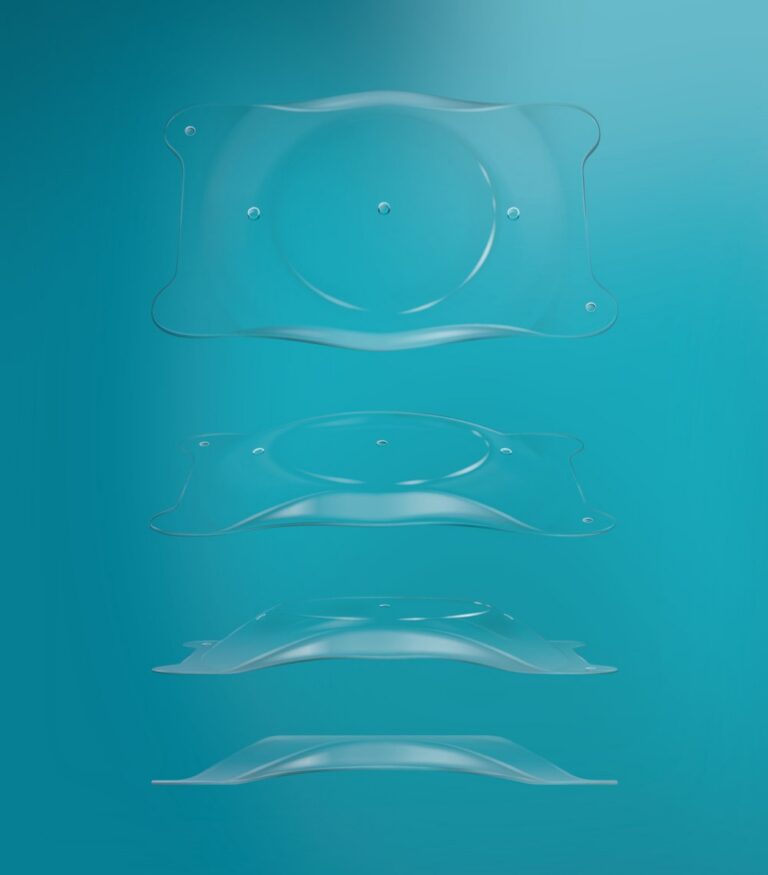
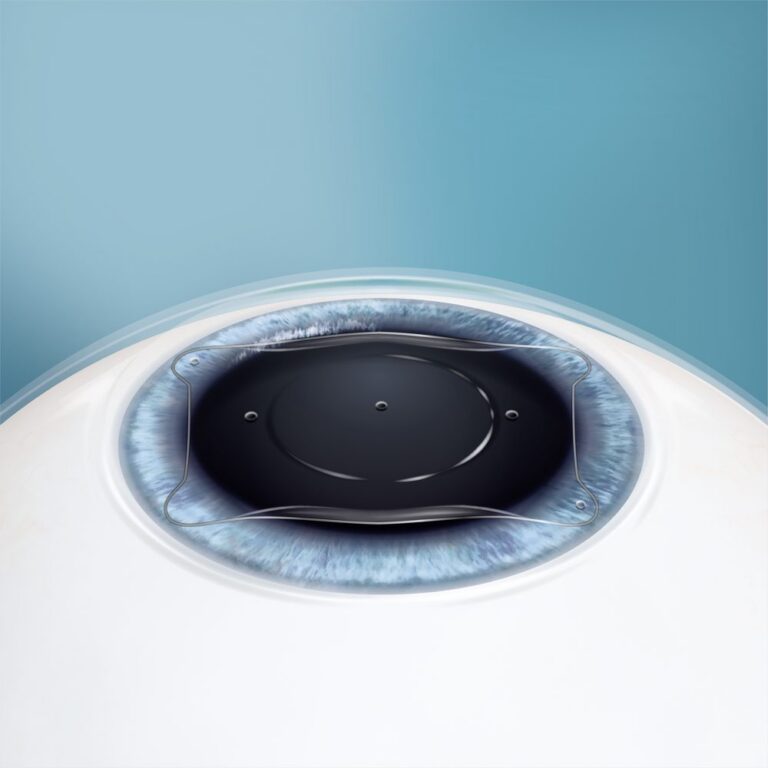
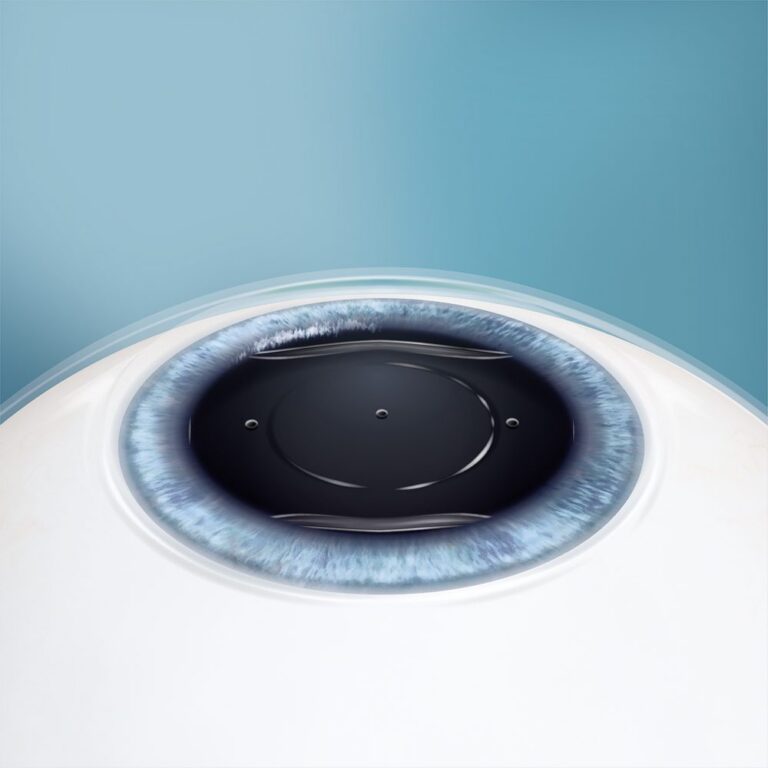
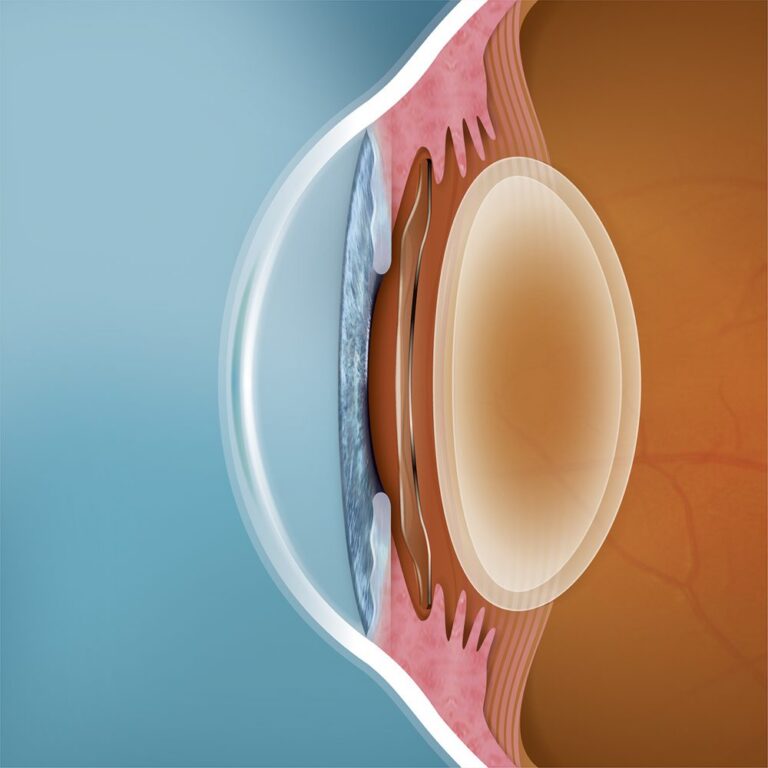
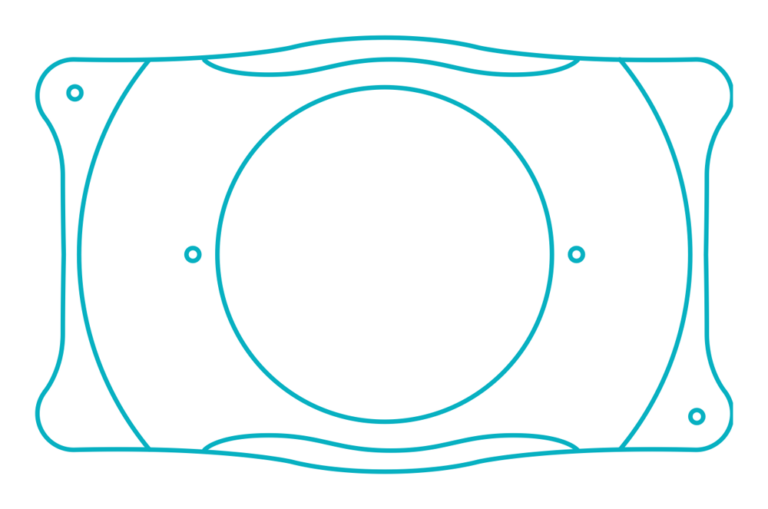
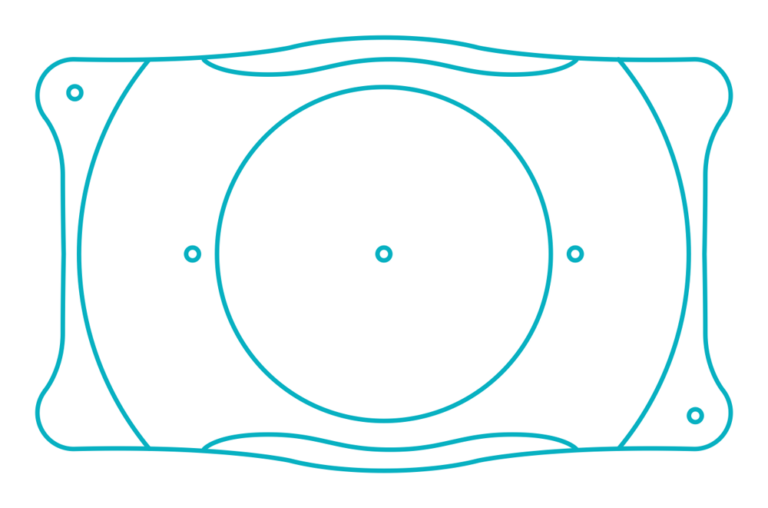
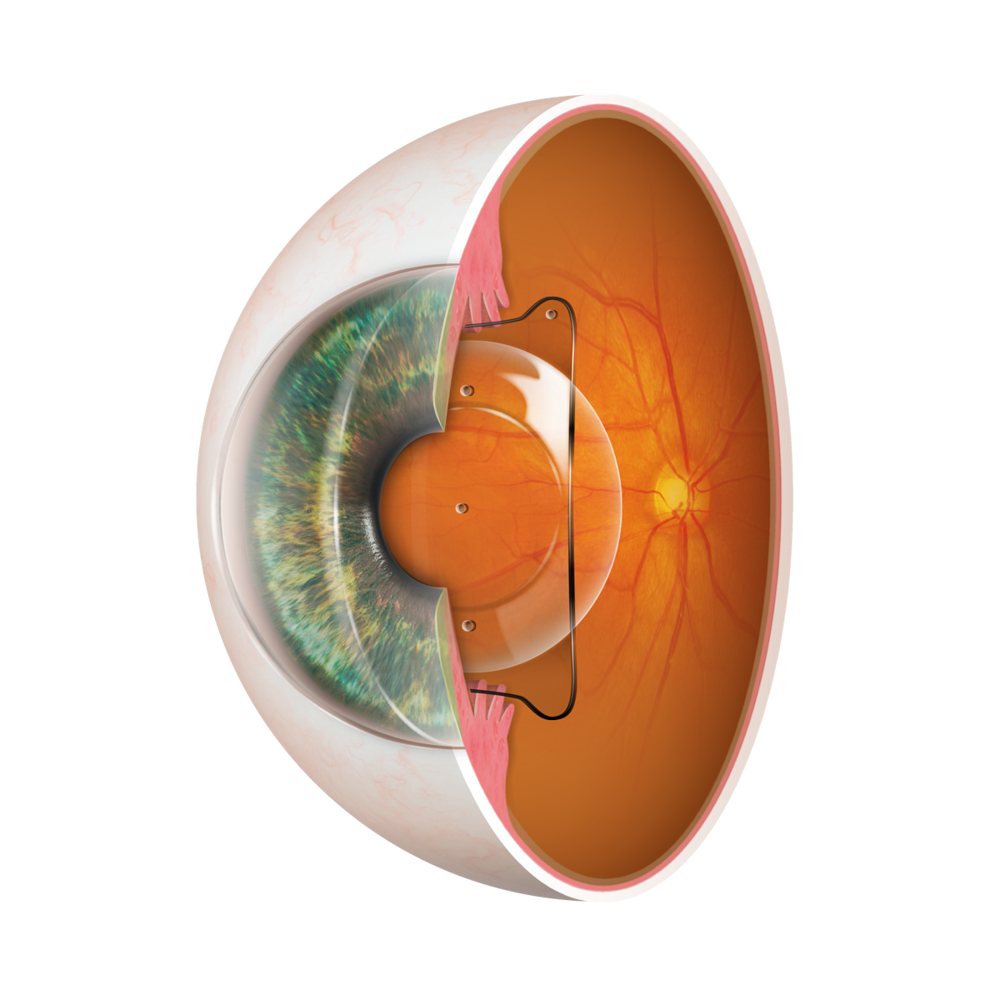
The ICL (Implantable Collamer Lens) is a wafer-thin, flexible additional lens that in addition to the natural lens is inserted into the eye. It sits invisibly between the iris and the natural lens, cannot be felt and permanently corrects visual acuity in the eye.

At EyeLaser Zurich we use the EVO/EVO+ Visian ICL – the world’s leading phakic lens made of Collamer, a biocompatible material with integrated UV protection.

Who is the ICL suitable for?

ICL

Correctable visual defects

  • Myopia: up to -20 diopters
  • Farsightedness: up to +10 diopters
  • Astigmatism: up to 6 diopters

When is the ICL the better choice?

  • Thin cornea: when laser eye surgery is not possible
  • Stable keratoconus: often after crosslinking
  • Chronically dry eyes: as the corneal nerves are not affected
  • Very high visual defects: beyond the limits of LASIK or SMILE

Reversible: the ICL can be removed or replaced at any time

ICL and presbyopia

ICL

From the mid-40s, reading glasses become unavoidable for many people. The ICL can also be a solution here:

  • Monovision correction: one eye for distance vision, the other for near vision – the brain automatically compensates for this

EVO Viva: A special presbyopia model exists, but we deliberately rely on the proven proven monovision method for maximum safety

Your next step

Are you ready for a life without glasses in Zurich? Find out whether ICL is right for you with a free aptitude test or a non-binding preliminary examination.

Make an appointment in Zurich

When is an ICL not suitable?

ICL
  • During pregnancy or breastfeeding
  • If the anterior chamber of the eye is too shallow
  • For advanced cataracts
  • For unstable vision

The procedure in Zurich – clear vision in just 20 minutes

ICL
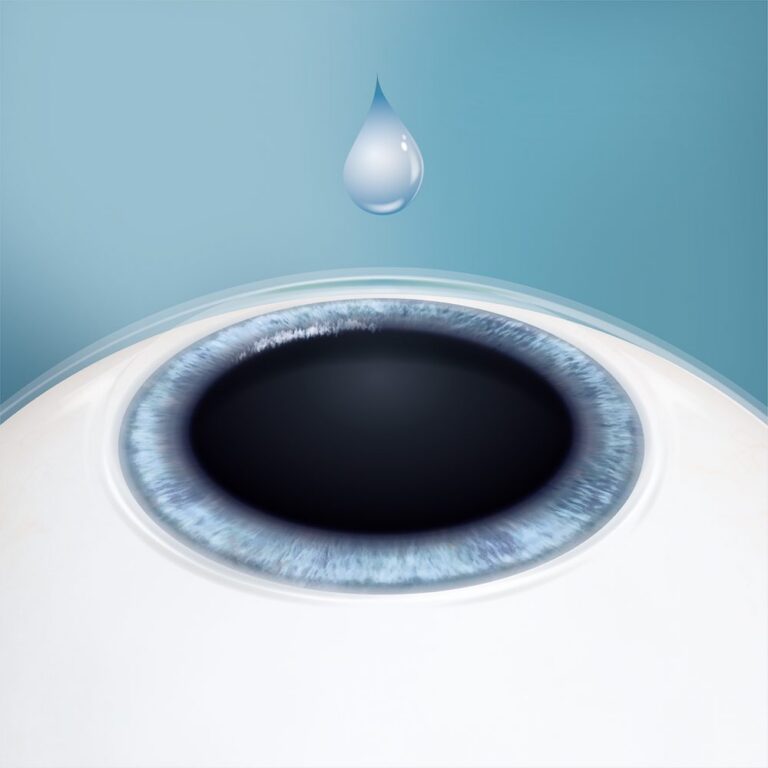
  • Preparation: Anesthesia with eye drops, completely painless
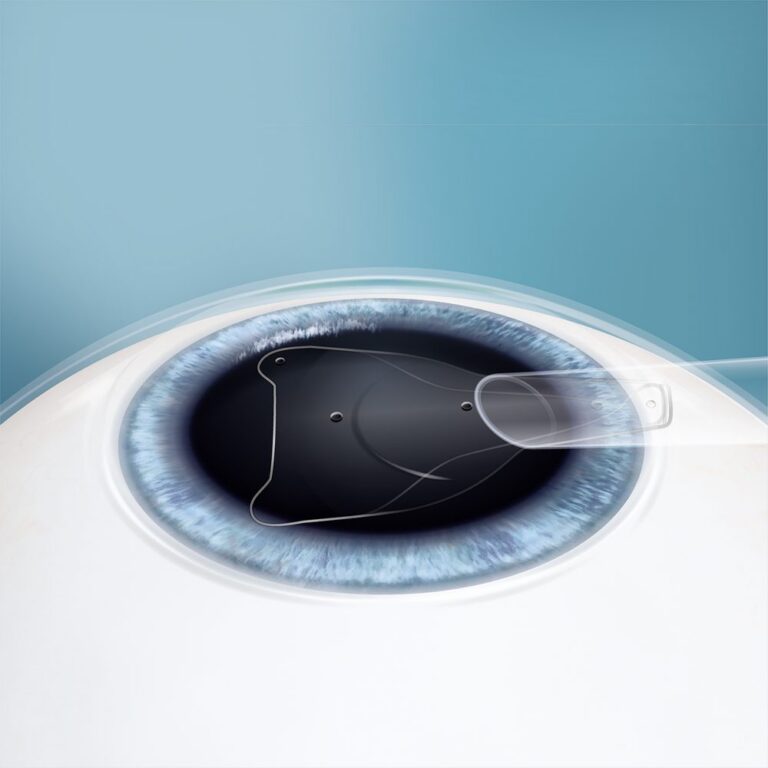
  • Access: Tiny, self-healing 3 mm incision on the cornea
  • Implantation: the folded ICL is gently inserted and unfolds behind the iris

Result: Significantly better visibility, often immediately noticeable

High-tech diagnostics & safety

SmartSight

The EVO ICL has a central AquaPortwhich maintains the natural aqueous humor flow – eliminating the need for an iridotomy.

Risks (very rare):

  • Short-term: slight increase in pressure, halos or glare

Long-term: very rare cataract or size problems – due to OCT Anterion and MS39 V2 Diagnostics reduced to a minimum

Comparison: ICL vs. LASIK vs. SMILE vs. lens exchange

Procedure Age Correction range Advantages Disadvantages
ICL (phakic lens) 18-45 -20 to +10 dpt Reversible, high diopters, no corneal ablation intraocular, higher costs
LASIK 18-45 -8 to +4 dpt fast healing, precise unsuitable for thin cornea / dry eyes
SMILE / SmartSight 18-45 -10 to -0.5 dpt minimally invasive, flapless only for myopia/astigmatism
Lens exchange (RLE) from 45 up to ±15 dpt corrects presbyopia & cataracts natural lens is removed

Aftercare & recovery in Zurich

Full visual acuity

Usually after a few days

Day 1

First check-up at EyeLaser Zurich

1 week

Customization of the drops

1 month

Stability control

Costs of the ICL in Zurich

Kosten
  • CHF 5,000 per eye (incl. diagnostics, surgery, lens, aftercare)
  • Transparent fixed prices – no hidden costs

Health insurance companies in Switzerland:

  • Basic insurance does not cover the costs
  • Supplementary insurance: partial participation in certain cases (e.g. myopia > -10 dpt or anisometropia > 3 dpt difference)
  • It’s always worth submitting – we support you with expert opinions and cost estimates

Why EyeLaser Zurich?

Dr. Victor Derhartunian
  • Over 1,000 successful ICL implantations since 2013
  • International expertise in refractive surgery
  • State-of-the-art diagnostics: OCT Anterion & MS39 V2
  • Personal support from experienced specialists

Central location in Zurich – optimally accessible

FAQ – The most frequently asked questions about ICL

What does ICL mean?

ICL stands for Implantable Collamer Lens. It is a so-called phakic lens made of a biocompatible material called collamer. This lens is inserted into the eye and functions like a permanent visual aid.

Is ICL surgery painful?

No, ICL surgery is painless. We use anesthesia in the form of eye drops so that the procedure is comfortable for you. You will only feel a slight pressure.

How long does the procedure take?

The procedure is very short and is performed on an outpatient basis. The implantation only takes about 20 minutes per eye.

Can you feel or see the lens?

You cannot feel the ICL lens in your eye and other people cannot see it either. It lies behind the iris so that it is completely invisible from the outside.

How long does an ICL last?

The ICL is designed to remain in the eye permanently and is very durable. Its greatest advantage is that it can be removed or replaced with another lens at any time if necessary.

What is the difference to LASIK?

In contrast to LASIK, which permanently reshapes the cornea, ICL involves placing an additional lens in the eye. The ICL method is reversible and is also suitable for correcting high diopter values.

When can I go back to work or do sport?

Light activities such as office work can often be resumed the very next day. You should wait a few days before doing sport, and a break of a few weeks is recommended for swimming or contact sports.

Does the health insurance company cover the costs?

Compulsory basic insurance does not usually cover the costs of ICL implantation. However, supplementary insurance may contribute, depending on the policy, especially in the case of very high myopia (over -10 dpt) or very different visual acuity between the eyes (anisometropia over 3 dpt). We will be happy to assist you in submitting the documents.

Does the ICL also correct astigmatism?

Yes, there are special toric ICL models. These lenses not only correct myopia or hyperopia, but also astigmatism.

What happens if cataracts develop later?

The ICL lens can be easily removed if a cataract develops. It is then replaced with a premium IOL (intraocular lens) to restore vision.

How many ICL operations have been performed at EyeLaser Zurich?

Since 2013, we at EyeLaser Zurich have performed over 1,000 successful ICL implants. We specialize in this procedure and can look back on many years of experience.

Your next step

Are you ready for a life without glasses in Zurich? Find out whether ICL is right for you with a free aptitude test or a non-binding preliminary examination.

Make an appointment in Zurich